
Hospital indemnity insurance explained offers a safety net designed to assist individuals and families in times of medical need. This type of insurance provides cash benefits directly to the policyholder, which can be used to cover various out-of-pocket expenses that arise during hospital stays.
Understanding this insurance can empower you to make informed decisions about your health coverage, ensuring you’re prepared for unexpected medical events. Whether it’s for co-pays, treatments, or everyday bills, knowing how hospital indemnity insurance works is key to maintaining financial stability during challenging times.
Understanding Hospital Indemnity Insurance
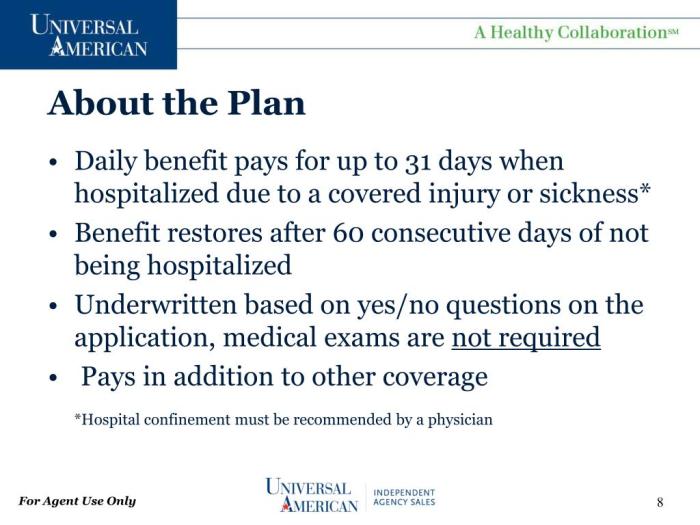
Hospital indemnity insurance is a type of supplemental insurance that provides cash benefits to policyholders during hospital stays or certain medical procedures. Its primary purpose is to help cover the out-of-pocket expenses that can arise from hospital visits, allowing individuals and families to manage healthcare costs more effectively. Unlike traditional health insurance, which typically covers medical expenses directly, hospital indemnity insurance pays a fixed amount per day of hospitalization, regardless of the actual costs incurred, giving policyholders greater financial flexibility.The benefits of having hospital indemnity insurance extend beyond merely covering hospital bills.
It offers peace of mind, knowing that there is a financial safety net in place. This type of insurance can help with everyday expenses during recovery, such as childcare, groceries, or transportation costs, which may become burdensome if a family member is hospitalized. Furthermore, these benefits can be paid directly to the insured, allowing them to use the funds as needed, without restrictions on how to spend the money.
Situations Benefiting from Hospital Indemnity Insurance
There are various scenarios where hospital indemnity insurance can significantly ease the financial strain associated with hospitalization. Below are some notable examples:
- Extended Hospital Stays: A policyholder undergoing surgery may face a longer-than-expected recovery time in the hospital. The daily cash benefit can help cover lost wages and regular expenses at home.
- Multiple Family Members Hospitalized: If a family is dealing with multiple health issues simultaneously, the cash benefits can be crucial in managing costs and maintaining household stability.
- High-Deductible Health Plans: Individuals with high-deductible plans may find hospital indemnity insurance particularly useful, as it provides funds for out-of-pocket costs before their primary insurance kicks in.
- Accidental Injuries: For those who experience an accident resulting in hospitalization, having this insurance can alleviate the financial burden while they recover from injuries.
Hospital indemnity insurance acts as a financial buffer, ensuring that individuals and families can focus on recovery rather than financial stress.
Comparing Types of Supplemental Insurance
When it comes to supplemental insurance, understanding the differences between various types is crucial for making informed decisions. Hospital indemnity insurance is just one piece of the puzzle, and comparing it with other forms of supplemental insurance can help you see where each fits into your overall coverage strategy. This section will explore how hospital indemnity insurance stacks up against other types, including pet insurance and travel insurance, each of which has its unique benefits and considerations.
Differences Between Hospital Indemnity Insurance and Other Supplemental Insurance
Hospital indemnity insurance is designed to provide a fixed cash benefit to policyholders when they are hospitalized. This benefit can help cover out-of-pocket expenses such as copayments, deductibles, and other bills that arise during a hospital stay. In contrast, other types of supplemental insurance serve different purposes and may have specific limitations or benefits based on the focus of the coverage.For example, critical illness insurance provides a lump-sum payment upon diagnosis of a serious illness, such as cancer or heart disease.
This payment can be used for anything from medical expenses to daily living costs. Disability insurance, on the other hand, offers a percentage of your income if you become unable to work due to injury or illness, thereby cushioning your financial position. Each of these insurance types plays a distinct role in financial planning and risk management, highlighting the need for a tailored approach to coverage.
Key Features of Pet Insurance
Pet insurance complements hospital indemnity insurance by covering medical expenses related to your furry friends. The primary function of pet insurance is to alleviate the financial burden associated with veterinary care. This can include routine check-ups, emergency treatments, and surgeries, which can quickly add up in costs. By having both hospital indemnity insurance and pet insurance, policyholders can ensure comprehensive coverage for both their health and their pets’ health.Notable features of pet insurance include:
- Customizable Plans: Pet insurance allows owners to select coverage levels that fit their budget and needs, ranging from basic accident coverage to comprehensive policies that include wellness care.
- Preventive Care Options: Some plans offer wellness packages that cover vaccinations, check-ups, and preventive treatments, promoting overall pet health.
- Direct Payments: Many insurers enable direct payments to veterinarians, which can reduce out-of-pocket expenses at the time of treatment.
Insights on Travel Insurance
Travel insurance plays a significant role when considered alongside hospital indemnity insurance, particularly for those who travel frequently or plan trips that involve potential health risks. While hospital indemnity insurance covers expenses related to hospital stays, travel insurance typically includes provisions for medical emergencies, trip cancellations, lost luggage, and other travel-related issues.The relevance of travel insurance becomes apparent when considering the unexpected events that can disrupt travel plans.
For instance, a traveler who falls ill or gets injured while abroad may incur high medical expenses without adequate coverage. Travel insurance can provide:
- Emergency Medical Coverage: This ensures that travelers have access to necessary medical care while away from home, which is crucial for maintaining health during trips.
- Trip Cancellation Protection: This feature allows policyholders to recoup costs if their trips are canceled for covered reasons, safeguarding their investment.
- Evacuation Coverage: In cases of serious health issues or natural disasters, evacuation coverage can facilitate transport back to a hospital or home, minimizing risks associated with traveling in adverse situations.
Related Insurance Types Overview
Understanding the various types of insurance can significantly enhance your financial security, especially when unexpected events occur. Each insurance type serves a distinct purpose, catering to different aspects of life, from health to personal property. This overview will delve into umbrella insurance, vision insurance, and compare watercraft insurance with hospital indemnity insurance, emphasizing their roles in comprehensive coverage.
Umbrella Insurance
Umbrella insurance is designed to provide an extra layer of protection beyond the limits of your standard policies, such as auto or home insurance. This type of insurance is vital for safeguarding your assets and future earnings against substantial claims that could exceed your primary policy limits. It kicks in when the liability coverage of your underlying policies is exhausted, covering a range of situations from personal injury claims to property damage lawsuits.
Umbrella insurance acts as a safety net against unexpected financial burdens that can arise from serious incidents.
Vision Insurance
Vision insurance is a specialized form of health insurance that addresses the costs associated with eye care, which is essential for maintaining overall health. This type of insurance typically covers eye exams, glasses, contact lenses, and certain vision correction procedures. Eye health is often overlooked, yet it plays a critical role in a person’s quality of life, affecting everything from daily activities to overall well-being.The significance of vision insurance is underscored by the following benefits:
- Regular eye exams can detect early signs of serious health conditions like diabetes and hypertension.
- Access to discounts on eyewear helps alleviate the financial burden of corrective lenses.
- Timely treatment of vision issues can prevent further complications and enhance productivity.
Watercraft Insurance Comparison with Hospital Indemnity Insurance
Watercraft insurance provides coverage for boats and other watercraft, including protection against damages, theft, and liability claims associated with operating a water vehicle. Unlike hospital indemnity insurance, which offers cash benefits to cover out-of-pocket medical expenses due to hospitalization, watercraft insurance focuses primarily on property damage and liability risks on the water.The following points highlight the differences between watercraft insurance and hospital indemnity insurance in terms of risk coverage:
- Watercraft insurance protects against physical damage to the boat and liability for injuries to others, while hospital indemnity insurance compensates for lost income and health-related costs during hospitalization.
- Watercraft insurance is concerned with operational risks, such as accidents on the water, whereas hospital indemnity insurance addresses health risks and unforeseen medical expenses.
- Both types of insurance are crucial for mitigating financial risks but serve entirely different aspects of life.
Ending Remarks
In summary, hospital indemnity insurance serves as a valuable complement to your health coverage, providing much-needed financial assistance during hospitalizations. With various options available, it’s essential to explore how this insurance can fit into your broader health and financial plans, ensuring peace of mind for you and your loved ones.
Question & Answer Hub
What is hospital indemnity insurance?
Hospital indemnity insurance is a supplemental policy that provides cash benefits to policyholders for each day they are hospitalized, helping cover additional costs not included in standard health insurance.
Who should consider hospital indemnity insurance?
This insurance is ideal for individuals and families looking for extra financial protection against unexpected hospital stays, especially those with high-deductible health plans.
How does hospital indemnity insurance differ from regular health insurance?
Unlike regular health insurance, which covers medical expenses, hospital indemnity insurance pays you a set cash benefit that you can use as you see fit during a hospital stay.
Can hospital indemnity insurance cover outpatient procedures?
No, hospital indemnity insurance typically only covers inpatient stays, so it won’t provide benefits for outpatient treatments or procedures.
Is hospital indemnity insurance worth it?
For many, the additional coverage and peace of mind it provides make hospital indemnity insurance a worthwhile investment, especially in times of rising healthcare costs.


