Online retailers that accept vision insurance provide a convenient way for consumers to access eye care products and services without the hassle of traditional brick-and-mortar locations. With the rise of e-commerce, many individuals can now find a variety of options that cater to their vision needs while using their insurance benefits, ensuring that eye care is both affordable and accessible.
This exploration into these online retailers reveals not only the types of stores that accept vision insurance but also tips for navigating the process of finding them. From well-known e-commerce giants to specialized eyewear companies, there’s a wealth of resources available for shoppers looking to make the most of their vision coverage.
Understanding Online Retailers Accepting Vision Insurance
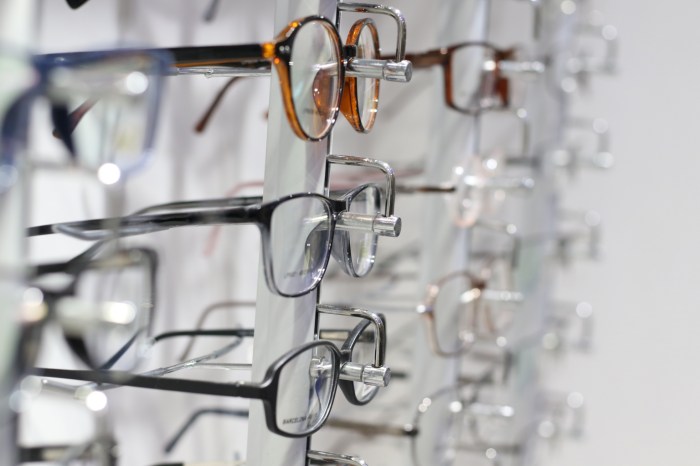
Many consumers are unaware that numerous online retailers accept vision insurance, making it easier to purchase eyewear, contact lenses, and other optical products without straining their budgets. These retailers typically include specialized eyewear sites, large optical chains with an online presence, and some general health and wellness retailers that feature vision care products. By leveraging their vision insurance, consumers can often find discounts or even full coverage on their purchases, depending on their specific insurance plans.When searching for online retailers that accept vision insurance, consumers can follow a few straightforward steps.
First, it’s advisable to check with their vision insurance provider to get a list of preferred or in-network retailers. Many insurers maintain an online directory of participating providers. Next, consumers should visit the websites of potential retailers and look for an insurance or payment section where they can confirm if vision insurance is accepted. Additionally, reading customer reviews or reaching out to the retailer’s customer service can provide clarity on the process and any required documentation for insurance claims.
Types of Online Retailers Accepting Vision Insurance
Several categories of online retailers are known for accepting vision insurance, enhancing accessibility for consumers needing optical products. Here are some key examples:
- Specialized Eyewear Retailers: These online stores focus exclusively on eyewear products, including eyeglasses and sunglasses. They often have comprehensive selections and allow customers to input their insurance details during checkout for easy processing.
- Major Optical Chains: Well-known brands like Warby Parker and Lenscrafters have established online platforms where customers can browse and order eyewear while utilizing their insurance benefits.
- Contact Lens Providers: Retailers such as 1-800 Contacts specialize in contact lenses and frequently accept vision insurance, making it convenient for customers to manage their expenses effectively.
- General Health Retailers: Some broader health and wellness retailers also stock vision-related products and may offer the option to pay using vision insurance, broadening the choices for consumers.
“Finding an online retailer that accepts vision insurance can significantly reduce out-of-pocket costs for eyeglasses and contact lenses.”
Examples of Popular Online Retailers Known for Accepting Vision Insurance
Certain online retailers have gained popularity for their commitment to making vision care more accessible through insurance acceptance. Here are a few reputable names:
- Warby Parker: This innovative retailer allows customers to order glasses online, and they accept various vision insurance plans, making it easy to claim benefits.
- Lenscrafters: With a vast selection of frames and lenses, Lenscrafters provides an online shopping experience where customers can use their vision insurance for purchases.
- Zenni Optical: Known for its affordable eyewear, Zenni Optical accepts multiple vision insurance plans and offers an efficient process for claims at checkout.
- Eyeconic: As part of the VSP network, Eyeconic provides a user-friendly platform for purchasing eyewear while conveniently accepting VSP vision insurance.
These retailers represent just a fraction of the options available to consumers looking to utilize their vision insurance online. This acceptance of insurance not only enhances affordability but also encourages regular vision care, essential for maintaining eye health.
Exploring Different Types of Insurance Related to Vision Care
Understanding the various types of insurance related to vision care is crucial for maximizing benefits and ensuring adequate coverage. This exploration highlights the importance of vision insurance in relation to other insurance types, such as pet insurance and supplemental insurance, and discusses how travel insurance can impact vision care expenses during trips.
Importance of Vision Insurance in Relation to Pet Insurance
While vision insurance primarily caters to human eye care needs, pet insurance has emerged as a vital component for ensuring the health of our furry friends. Both types share a common goal: protecting health-related expenses. Pet insurance often includes provisions for eye conditions, highlighting the need for vision care in animals. Pet owners can face significant costs for treatments and medications, just as individuals do for their vision prescriptions and eye exams.
Vision insurance not only covers essential eye care but aligns with the growing recognition of comprehensive health management across both humans and pets.
Having vision insurance can indirectly encourage pet owners to seek timely veterinary care for their pets’ eye issues. By understanding and utilizing available insurance options, pet owners can ensure that both their and their pets’ vision needs are met without incurring exorbitant costs.
Roles of Supplemental Insurance in Enhancing Vision Care Coverage
Supplemental insurance plays a critical role in enhancing the coverage provided by standard vision insurance plans. Many individuals find that their basic vision plans do not cover the full spectrum of eye care services, particularly advanced treatments and corrective procedures. Supplemental insurance can bridge these gaps, offering a broader safety net.For example, individuals may consider supplemental plans for coverage of laser eye surgery, specialized lens types, or frames that exceed the typical allowances of standard plans.
This additional coverage can be particularly advantageous for those who need frequent eye care or specialized services.
Supplemental insurance can significantly reduce out-of-pocket expenses for advanced vision care services.
The increasing awareness of the importance of eye health has led more individuals to opt for supplemental insurance, thereby enhancing their overall vision care experience.
Impact of Travel Insurance on Vision Care Expenses During Trips
Traveling can sometimes complicate access to necessary vision care. Travel insurance often covers unforeseen medical expenses, including those related to vision issues that may arise during a trip. Whether it’s a sudden eye infection or the need for a replacement pair of glasses, having travel insurance can provide peace of mind.When traveling, the costs associated with vision care can vary widely depending on the location.
In some countries, treatment for eye issues can be quite expensive, making travel insurance a valuable asset. It ensures that travelers can receive necessary care promptly without worrying about high out-of-pocket costs.
Travel insurance can serve as a financial safety net for unexpected vision care needs while abroad.
By considering the implications of travel insurance on vision-related expenses, travelers can better prepare for any potential issues that may disrupt their plans while keeping their vision health at the forefront.
Comprehensive Overview of Insurance Types
Understanding the various types of insurance is crucial for consumers seeking coverage that fits their specific needs. While many are familiar with health, auto, and home insurance, there are other types that intersect with vision care, including umbrella and watercraft insurance. This overview will clarify how these insurance types relate to vision coverage and highlight the differences between vision insurance and other insurance categories.
Umbrella Insurance and its Relevance to Vision Insurance
Umbrella insurance serves as an additional layer of liability protection that goes beyond the limits of other types of insurance policies. Generally, it covers claims that exceed the limits of your underlying policies, such as home and auto insurance. While not directly linked to vision care, umbrella policies can provide financial security for those facing potential liability in medical situations, including those involving eye care accidents or mishaps.
Hence, having umbrella insurance can be an important consideration for individuals with active lifestyles or those who engage in activities that may lead to unexpected injuries.
Watercraft Insurance and its Connection to Vision Coverage
Watercraft insurance is designed to protect boat owners from loss or damage related to their vessels. Interestingly, this form of insurance may have less-known connections to vision coverage. For instance, if an accident occurs while boating that results in eye injuries, the medical expenses, including vision care, could potentially be covered under the medical payments portion of a watercraft policy.
This highlights the importance of understanding the intricacies of insurance policies and how they can collectively provide support in various situations.
Differences Between Vision Insurance and Other Insurance Types
Vision insurance differs significantly from other insurance types such as pet insurance and travel insurance, primarily in terms of coverage benefits and needs.
Vision Insurance
Focuses specifically on eye care, including routine eye exams, corrective lenses, and treatments for vision-related issues. It is designed to promote early detection and treatment, ultimately enhancing quality of life through better vision.
Pet Insurance
Covers veterinary expenses related to your pet’s health, including routine checkups and emergency care. While important, it does not address human vision care needs.
Travel Insurance
Provides coverage for travel-related incidents, such as trip cancellations or medical emergencies while abroad. Although it may cover medical issues, it generally does not include vision care unless specified.The focus and applications of vision insurance are tailored specifically to eye care, which sets it apart from other insurance types that cater to diverse needs and circumstances.
Final Conclusion
In conclusion, understanding online retailers that accept vision insurance opens up a world of possibilities for consumers. By leveraging available insurance benefits, shoppers can confidently purchase eyewear and related products online, making eye care more manageable and budget-friendly. As more retailers continue to embrace vision insurance, the future of online vision care looks brighter than ever.
FAQ Insights
What types of online retailers accept vision insurance?
Various online retailers, including eyewear brands and optometry services, accept vision insurance to help customers purchase frames, lenses, and other eye care products.
How can I verify if an online retailer accepts my vision insurance?
Most retailers have a dedicated section on their website for insurance verification, or you can contact their customer service for assistance in confirming coverage.
Are there any specific brands that are known for accepting vision insurance?
Brands like Warby Parker, Zenni Optical, and EyeBuyDirect are popular among consumers for their acceptance of vision insurance.
Can I use vision insurance to purchase contact lenses online?
Yes, many online retailers that sell contact lenses also accept vision insurance, allowing customers to use their benefits for purchases.
Is there a difference in coverage when buying online versus in-store?
Coverage may vary, but generally, insurance benefits are similar whether you shop online or in-store; however, online retailers may have different pricing structures or promotions.