
Yacht insurance vs boat insurance sets the stage for this enthralling narrative, offering readers a glimpse into a story that is rich in detail and brimming with originality from the outset. When it comes to insuring your watercraft, understanding the distinctions between yacht and boat insurance is crucial. These two types of insurance, while related, cater to different needs, making it essential for owners to grasp their unique coverage options, rate influences, and supplemental insurance considerations.
Comparing Yacht Insurance and Boat Insurance
Yacht insurance and boat insurance serve similar purposes, but they cater to different types of watercraft and come with distinct coverage options. Understanding these fundamental differences is essential for boat owners and yacht enthusiasts alike. While both types of insurance provide protection against damages and liabilities, their specifics can vary greatly. Let’s dive into the key comparisons that can help guide your insurance decisions.
Differences Between Yacht Insurance and Boat Insurance
The fundamental difference between yacht insurance and boat insurance lies primarily in the size and type of the watercraft. Generally, yachts are larger, more luxurious vessels often equipped with advanced technology and amenities, while boats can encompass a wide range of smaller crafts, such as fishing boats, canoes, and sailboats. This distinction influences not only the coverage options but also the rates associated with insuring these vessels.
“Yacht insurance often covers additional features such as higher liability limits and coverage for personal belongings onboard.”
Factors influencing the insurance rates for yachts versus boats include:
- Value of the Vessel: Yachts typically have a higher market value than most boats, resulting in higher premiums.
- Navigation Area: Yachts may be insured for more extensive navigation areas, including international waters.
- Usage: Yachts are often used for leisure and entertaining, increasing the likelihood of claims compared to smaller boats used for fishing or casual outings.
- Safety Features: Yachts equipped with advanced safety and security features may enjoy lower rates.
Coverage Options for Yacht Insurance and Boat Insurance
The coverage options available for yacht insurance and boat insurance can differ significantly, reflecting the varying needs and risks associated with each type of vessel. For yacht insurance, policyholders can expect:
- Comprehensive Coverage: Protects against damages from various risks, including theft, fire, and natural disasters.
- Liability Coverage: Offers higher liability limits for damages or injuries caused to others.
- Personal Property Coverage: Insures personal belongings aboard the yacht, such as electronics and gear.
- Medical Payments: Covers medical expenses for injuries sustained on the yacht, regardless of fault.
Boat insurance coverage may include:
- Basic Liability Coverage: Protects against injuries or damages you cause to other people or property.
- Physical Damage Coverage: Covers repairs or replacement of the boat after an accident.
- Uninsured Boater Coverage: Provides protection if you are hit by an uninsured boater.
In summary, while yacht insurance and boat insurance may seem similar, they cater to different needs and types of vessels. Yachts generally require more comprehensive coverage options, reflecting their higher value and usage patterns, while boat insurance typically focuses on essential protections suitable for smaller crafts. Understanding these distinctions can help vessel owners choose the right insurance for their specific needs.
Related Types of Insurance
When it comes to protecting your investment on the water, understanding the various types of insurance available is crucial for yacht and boat owners. While yacht and boat insurance are tailored to cover specific vessels, there are related forms of coverage that can enhance your financial protection and peace of mind. This section delves into watercraft insurance, supplemental insurance, and umbrella insurance, each of which plays a vital role in a comprehensive marine insurance strategy.
Watercraft Insurance
Watercraft insurance is a broad term that encompasses various types of insurance specifically designed for water vehicles, including jet skis, sailboats, and personal watercraft. This form of insurance is closely related to yacht and boat insurance, as it covers many of the same risks and liabilities. Watercraft insurance typically provides:
- Liability Coverage: Protects against damages or injuries caused to third parties while operating the watercraft.
- Physical Damage Coverage: Covers repairs or replacement of your vessel in case of accidents, theft, or vandalism.
- Medical Payments: Covers medical expenses incurred by you or your passengers in the event of an accident.
Watercraft insurance can often be bundled with yacht and boat insurance, providing a comprehensive policy that caters to different types of watercraft under a single umbrella.
Supplemental Insurance
Supplemental insurance serves as an additional layer of protection for yacht and boat owners. This type of insurance can bridge gaps in coverage that standard policies might not address. The importance of supplemental insurance lies in its ability to provide extra financial security in unforeseen circumstances. Common forms of supplemental insurance include:
- Personal Belongings Coverage: Protects personal items aboard the vessel, such as fishing gear, clothing, and electronics, against loss or damage.
- Towing and Assistance Coverage: Covers expenses related to towing your vessel if it becomes disabled or requires roadside assistance while on water.
- Environmental Damage Coverage: Addresses potential liabilities related to pollution or environmental damage caused by your vessel.
Having supplemental insurance can enhance your overall risk management strategy, ensuring that you are adequately protected in various scenarios that may arise.
Umbrella Insurance
Umbrella insurance provides an extra layer of liability coverage that extends beyond the limits of your yacht or boat insurance. This type of insurance is particularly relevant for marine insurance as it protects against significant claims that could otherwise deplete your assets. The relevance of umbrella insurance can be summarized as follows:
- Increased Liability Limits: Offers additional coverage that kicks in when your underlying policies reach their limit, ensuring comprehensive protection.
- Broader Coverage Scope: Can cover various incidents, including personal injury, property damage, and legal fees, that may not be included in your primary policies.
- Asset Protection: Safeguards your personal assets from claims that exceed your standard policy limits, providing peace of mind for high-net-worth individuals.
Umbrella insurance is a valuable investment for yacht and boat owners, especially those with significant assets or high exposure to risks associated with maritime activities.
Additional Marine Insurance Considerations
When it comes to protecting your watercraft, understanding the nuances of marine insurance is crucial. This is particularly true for yacht and boat insurance, which can sometimes blur the lines in terms of coverage and benefits. In this section, we will explore key factors that boat and yacht owners should consider, including a comparison of their pros and cons, common exclusions in policies, and the relevance of pet insurance for those who enjoy boating with their furry companions.
Comparison of Yacht Insurance and Boat Insurance
A clear understanding of the advantages and disadvantages of yacht insurance versus boat insurance can help owners make informed decisions. Below is a comparison chart that summarizes these aspects.
| Aspect | Yacht Insurance | Boat Insurance |
|---|---|---|
| Coverage Scope | Comprehensive, covering larger vessels and amenities | Basic, typically for smaller boats |
| Cost | Generally higher premiums due to greater value | Lower premiums, more affordable |
| Customization | Highly customizable policies available | Less customizable, standard options |
| Liability Coverage | Comprehensive liability coverage | Basic to moderate liability coverage |
| Navigation Limits | Broad navigation limits, often worldwide | More restricted navigation limits |
| Exclusions | Varied, depending on the policy | Varied, generally more exclusions |
Common Exclusions in Yacht and Boat Insurance Policies
Understanding the exclusions in insurance policies is essential for boat and yacht owners, as it helps set realistic expectations regarding coverage. Below is a list of common exclusions that can be found in both yacht and boat insurance policies.
- Wear and Tear: Damage resulting from the natural wear and tear of the vessel.
- Negligence: Losses occurring due to the owner’s negligence (e.g., leaving the boat unattended).
- Non-Compliance with Regulations: Incidents arising from not adhering to local maritime laws.
- Uninsured Boaters: Claims arising from accidents with uninsured parties.
- Personal Items: Loss or damage to personal belongings onboard.
Relevance of Pet Insurance for Boat Owners Traveling with Pets
For boat owners who travel with pets, pet insurance can play a significant role in ensuring both safety and financial protection. Since pets can sustain injuries or require medical attention while on board, having pet insurance becomes a valuable asset.
Pet insurance can cover various incidents, including accidents or illnesses that occur during travels, which can be particularly beneficial for those venturing into remote areas. Moreover, certain policies can help with the cost of emergency veterinary care, which can be vital when boating far from home.
In addition to health coverage, having pet insurance can provide peace of mind, allowing boat owners to focus on enjoying their time on the water without worrying about unexpected vet expenses. With the right policy, owners can ensure their pets receive the necessary care, enhancing the overall boating experience.
Last Recap
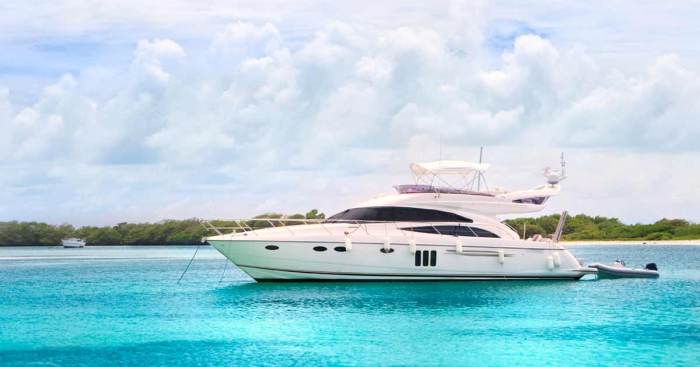
In conclusion, navigating the waters of yacht insurance versus boat insurance reveals the nuances that can significantly impact your protection on the waves. By understanding the differences in coverage, exclusions, and additional considerations like supplemental and umbrella insurance, boat and yacht owners can make informed decisions that safeguard their investments and enhance their peace of mind while enjoying their time on the water.
Commonly Asked Questions
What is the main difference between yacht and boat insurance?
The main difference lies in the type of watercraft being insured; yachts typically require more comprehensive coverage due to their higher value and complex features compared to smaller boats.
Are the coverage options the same for yachts and boats?
No, yacht insurance usually offers more extensive coverage options, including protection for onboard amenities and larger liability limits, which are not typically included in standard boat insurance policies.
Do yacht and boat insurance rates vary significantly?
Yes, insurance rates can vary significantly, influenced by factors such as the value of the vessel, its intended use, and the experience of the owner.
Is supplementary insurance necessary for boat owners?
Supplementary insurance can be beneficial as it covers gaps in standard policies and provides additional liability protection for boat owners.
Can pet insurance be included in boating insurance?
Some boat insurance policies may offer add-ons for pet coverage, which is essential for owners who travel with pets on their boats.


