Visa-required travel insurance by country is a crucial topic that every traveler should understand before embarking on their journey. Navigating the maze of insurance policies and visa requirements can seem daunting, but it’s essential to ensure a smooth travel experience. From protecting your investment to meeting mandatory requirements, this insurance serves as your safety net while exploring new destinations.
As different countries impose unique visa regulations, knowing the specific insurance needs can save you from unexpected setbacks. This guide will delve into why this insurance is important, the types available, and the implications of traveling without it, equipping you with the knowledge needed to travel confidently.
Visa-Required Travel Insurance Overview
Visa-required travel insurance is an essential aspect for travelers heading to countries that mandate it as part of their entry requirements. This type of insurance not only helps safeguard against unexpected events but also serves as a critical requirement for obtaining a visa. Understanding the nuances of visa-required travel insurance can help travelers choose the most appropriate policy, affirming their preparedness for any journey.Various types of visa-related travel insurance policies are available, each designed to meet specific needs and requirements.
When selecting a policy, travelers should consider the coverage details that will comply with the visa requirements of their destination country. Different policies vary in terms of medical coverage, trip cancellations, and other benefits that can significantly impact a travel experience.
Types of Visa-Related Travel Insurance Policies
When looking into visa-required travel insurance, it’s vital to understand the different types of policies offered. These can cater to varying needs and include:
- Medical Coverage Policies: These are designed to cover medical expenses in case of illness or injury while abroad. They often include emergency evacuation services and repatriation of remains.
- Trip Cancellation Insurance: This policy helps protect travelers against financial losses due to unforeseen cancellations, such as illness, natural disasters, or airline issues.
- Comprehensive Travel Insurance: This type combines various coverages, including medical expenses, trip cancellations, luggage loss, and other incidental costs.
- Single Trip vs. Multi-Trip Insurance: Single trip policies are ideal for one-time journeys, whereas multi-trip policies are beneficial for frequent travelers covering multiple trips within a year.
Common Requirements for Visa-Required Travel Insurance by Country
Different countries have distinct requirements for visa-required travel insurance, often specifying minimum coverage limits and particular inclusions. Below are common requirements that travelers should keep in mind when applying for a visa:
- Minimum Medical Coverage: Many countries require a minimum medical coverage amount, often around USD 30,000 or higher, to ensure travelers can handle potential medical emergencies.
- Coverage for Repatriation: Insurance policies often need to include repatriation of remains, which is a crucial aspect that some countries strictly enforce.
- Duration of Coverage: The insurance should cover the entire duration of the stay in the country, sometimes even extending beyond the date of visa application or entry.
- Policy Validity: It is important for the policy to be valid in the country of travel and not just internationally, ensuring compliance with local laws and regulations.
“Securing the right travel insurance is not just a formality but a necessity that ensures peace of mind during your travels.”
Country-Specific Visa Requirements and Insurance Needs
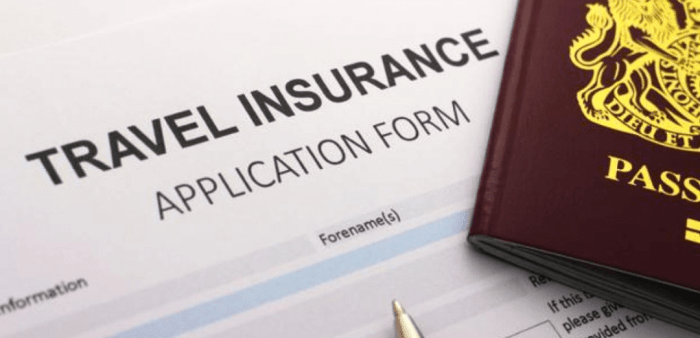
When planning international travel, understanding the visa requirements of your destination is crucial. Many countries mandate travelers to hold insurance coverage before granting a visa. This is not merely a formality; it serves to protect both the traveler and the host country from unforeseen medical expenses or emergencies that could arise during the trip. Different countries have diverse insurance requirements based on various factors, including the type of visa being applied for, the traveler’s nationality, and the length of stay.
These varying requirements can lead to confusion, particularly for first-time travelers or those visiting multiple countries.
Countries Requiring Travel Insurance for Visa Applications
Many countries impose strict travel insurance mandates as part of their visa application process. Below is a comprehensive list of such countries along with a brief overview of their insurance requirements:
- Schengen Area Countries: For most Schengen visas, travelers must acquire insurance that covers at least €30,000 in medical expenses, repatriation, and emergency medical evacuation.
- United States: While travel insurance isn’t mandatory, it is highly recommended due to the high cost of healthcare. Certain visa types may require proof of insurance.
- United Kingdom: For some visa categories, proof of adequate health insurance is necessary, especially for longer stays.
- Australia: The Australian visa application process typically requires travelers to demonstrate adequate health insurance coverage for their stay.
- New Zealand: Travelers applying for a visa may need to show they have sufficient medical insurance to cover their healthcare needs while in the country.
- Turkey: A travel insurance policy covering health care and repatriation is required when applying for a visa.
Varying Insurance Coverage Requirements
The insurance coverage requirements vary significantly between countries, often reflecting the healthcare standards and potential risks associated with travel to those regions. Understanding these nuances is essential for ensuring compliance.
- Minimum Coverage Amount: While some countries, like those in the Schengen Area, have a specified minimum coverage amount (e.g., €30,000), others may not specify a numerical value but rather emphasize comprehensive coverage.
- Types of Coverage Required: Some countries may require coverage for specific situations such as natural disasters, civil unrest, or pre-existing medical conditions, which can complicate the choice of insurance plans.
- Duration of Coverage: The insurance must often cover the entire duration of the trip, so it is crucial to select policies that align with travel itineraries.
- Repatriation and Evacuation Coverage: Many visa applications specifically state that travel insurance must include repatriation and evacuation in case of serious health issues or accidents.
Implications of Not Having Required Travel Insurance
Travelers who neglect to obtain the required insurance may face serious consequences when applying for their visa.
- Visa Denial: Failure to provide proof of adequate travel insurance can result in outright denial of the visa application, leaving travelers unable to embark on their planned journeys.
- Financial Risk: Without insurance, travelers could incur enormous out-of-pocket medical expenses in the event of an emergency, potentially leading to financial strain or bankruptcy.
- Legal Consequences: In some countries, traveling without insurance when required can lead to fines or legal repercussions, adding further complications to your travel plans.
Understanding the insurance requirements for your destination is not just a bureaucratic hurdle; it’s an essential step in ensuring your safety and well-being while traveling.
Related Insurance Types and Their Relevance
Travel insurance is a vital component for anyone venturing abroad, offering essential coverage for unexpected events. However, various other insurance types can complement or enhance travel protection, providing a more comprehensive safety net. Understanding the nuances of these related insurance types is crucial for travelers seeking to safeguard their journeys.
Comparison of Travel Insurance and Pet Insurance
Travel insurance primarily covers unexpected events such as trip cancellations, medical emergencies, and lost luggage. In contrast, pet insurance focuses on the health and well-being of pets during travels. Here are the unique coverage aspects of both:
- Travel insurance: Covers medical expenses, trip interruptions, emergency evacuations, and personal liability during the trip.
- Pet insurance: Provides coverage for veterinary care, including accidents, illnesses, and sometimes routine check-ups while traveling.
- Travel risk factors: Travel insurance is essential for risks like flight cancellations, while pet insurance is crucial for concerns related to your pet’s health during travels.
Role of Supplemental Insurance in Travel Coverage
Supplemental insurance enhances the basic travel insurance policy by filling coverage gaps. This type of insurance can provide additional protection in specific areas, such as:
- Medical supplemental insurance: Offers increased coverage for high medical costs incurred abroad, often essential in countries with expensive healthcare.
- Rental car supplemental insurance: Covers potential damages or theft of rental vehicles that standard travel insurance may not fully cover.
- Trip cancellation insurance: Provides more extensive coverage than standard options, ensuring greater financial protection if the trip is canceled for specific reasons.
Overview of Umbrella Insurance Benefits for Travelers
Umbrella insurance provides an extra layer of liability coverage, which can be particularly valuable for travelers. It extends beyond standard travel insurance and can cover:
- Legal liabilities: Concerning accidents or injuries that occur during the trip, which could lead to costly legal fees.
- Personal liability: Offers protection against claims that exceed the limits of your primary insurance policies, such as home or auto insurance.
- Peace of mind: Travelers can feel more secure knowing they have substantial coverage to protect against significant financial losses.
Necessity of Vision Insurance While Traveling Abroad
Vision insurance is often overlooked but can be essential for travelers, particularly those who rely on corrective lenses. Coverage may include:
- Emergency eye care: Ensures access to necessary medical services if vision problems arise while traveling.
- Replacement lenses: Provides benefits for lost or damaged glasses or contact lenses, ensuring uninterrupted vision.
- Routine eye exams: Some plans may cover eye exams that can be conducted abroad, aiding in early detection of potential issues.
Relevance of Watercraft Insurance for Marine Activities
For travelers engaging in marine activities, watercraft insurance is highly relevant. This type of insurance typically covers:
- Damage to the watercraft: Protects against damages to rented or owned boats during the trip.
- Liability coverage: Offers protection against claims resulting from accidents occurring while operating or using the watercraft.
- Emergency assistance: Provides coverage for costs associated with towing or salvaging a stranded watercraft.
Conclusive Thoughts
In summary, understanding visa-required travel insurance by country is not just about compliance; it’s about peace of mind. By being aware of the coverage required for your destination, you can enjoy your travels without the worry of unforeseen circumstances. So, whether you’re planning a weekend getaway or an extended adventure, make sure you’re equipped with the right insurance to keep your journey safe and enjoyable.
Frequently Asked Questions
What is visa-required travel insurance?
It is a specific type of travel insurance mandated by certain countries for visa applications, ensuring travelers have adequate health and travel protection.
How do I know if I need visa-required travel insurance?
You should check the visa requirements of your destination country, as many countries specify this insurance as a condition for visa approval.
What happens if I don’t have the required travel insurance?
Not having the required insurance can result in visa denial or, upon arrival, being denied entry into the country.
Can I use my regular travel insurance for visa requirements?
It depends on the policy; ensure your regular travel insurance meets the specific coverage requirements set by the destination country.
How can I get visa-required travel insurance?
You can obtain it through travel insurance companies, online platforms, or insurance brokers who specialize in visa-related policies.